Itinerary
Rishikesh itinerary: 2, 3 and 5 days, and a month
Two days in order, three and five as extensions, what fails by season, and four weekends.
Last updated 9 Oct 2026 · 11 min read
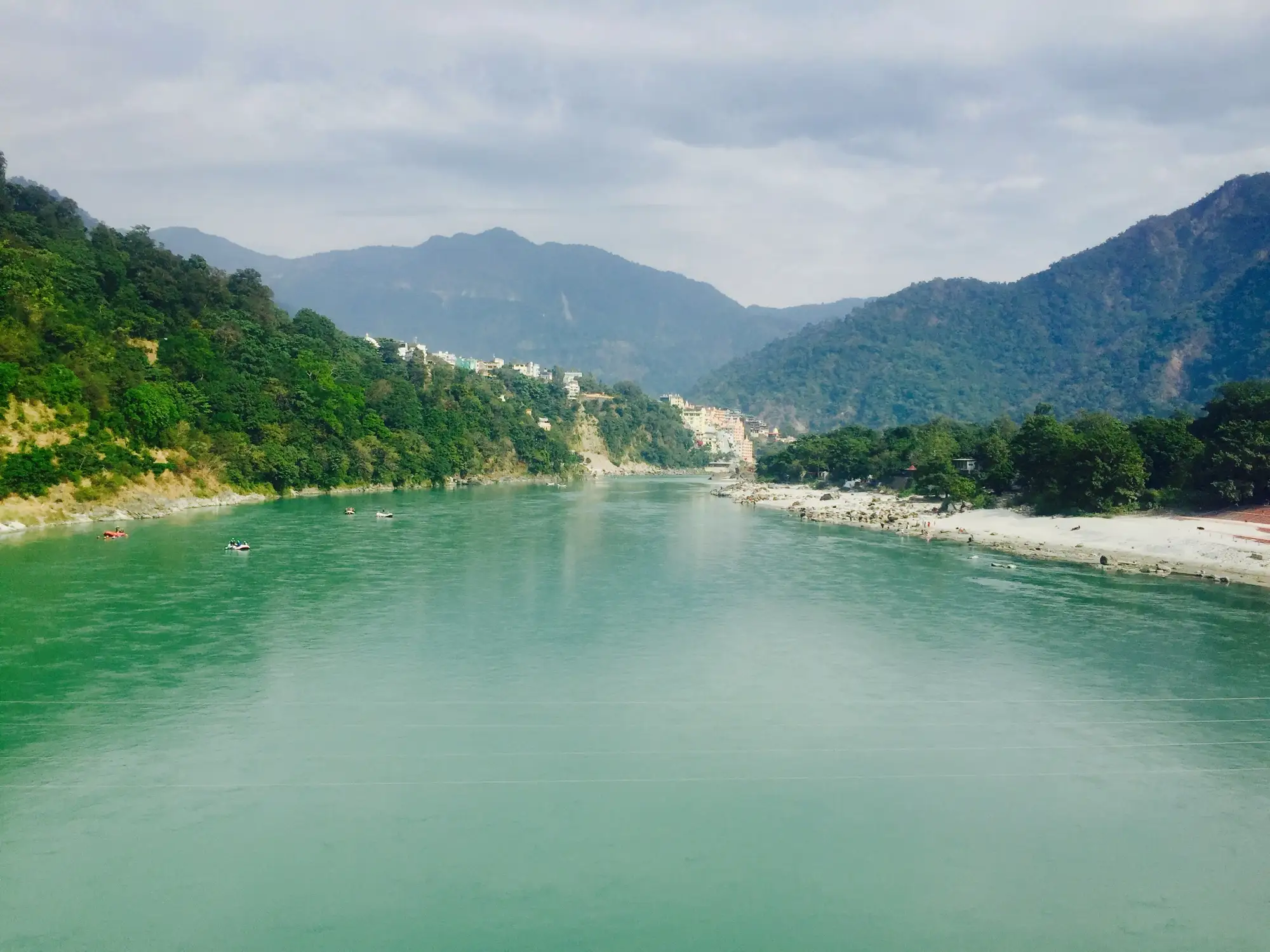
Two days in Rishikesh is a 16 km rafting run (₹1,000) and the Triveni aarti on Day 1, then the Beatles Ashram (₹200 for Indians, ₹1,200 for foreigners) and the Parmarth aarti on the Swarg Ashram side on Day 2. A third day adds Neelkanth, 32 km out, and a fifth adds Kunjapuri at sunrise plus bungee or Haridwar. Rafting is shut from 30 June to late September, and Ram Jhula is closed until about December 2026.
On this page
This is one part of our Rishikesh guide.
TL;DR summary
- Rafting season: Oct to 30 Jun. Shut for the monsoon from 30 June. It reopened on 23 September 2026 and can pause on a red alert.
- Evening aarti: 5 to 7 pm. Parmarth about 5 pm in winter and 6 pm in summer. Triveni starts 30 minutes later. Both are free.
- Beatles Ashram: ₹200 / ₹1,200. Indians and foreigners. Open about 10 am to 4:30 pm. Allow 2 to 3 hours.
- Neelkanth: 32 km. 1 to 1.5 hours each way by road. Avoid the Kanwar Yatra weeks.
- Ram Jhula: Closed. Shut since about 25 July 2026. Repair is due to finish around December 2026.
- Bungee at Jumpin Heights: ₹4,500. Reported closed on Tuesdays. Transfers leave from the Tapovan office.
Rishikesh plan, day 1 to day 5: where, distance and what to book
| Day | Theme | Where | Distance or time | Book ahead |
|---|---|---|---|---|
| 1 | River day | Shivpuri to Neem Beach, Tapovan, Triveni Ghat | 16 km raft, about 3 hours | Rafting slot the evening before |
| 2 | Swarg Ashram side | Neer Garh, Beatles Ashram, Parmarth aarti | Neer Garh 1.5 to 3 hours, Beatles Ashram 2 to 3 hours | Nothing; pay at the gates |
| 3 | Neelkanth road | Neelkanth Mahadev, Garud Chatti or Patna fall | 32 km each way, 1 to 1.5 hours | A jeep seat or taxi the evening before |
| 4 | Kunjapuri sunrise | Kunjapuri temple, a yoga class | 25 to 30 km, 45 to 60 minutes | A taxi the evening before |
| 5 | Adventure or Haridwar | Jumpin Heights, or Har ki Pauri | 45 minutes by road; or 23 to 25 km | Jump slot; closed Tuesdays |
This Rishikesh itinerary is for people with two to five days, or a month of working weeks, who want the sights in a sensible order. It skips yoga teacher courses, the multi-day treks that start from here and the Char Dham road, and it leaves each sight’s full entry to things to do in Rishikesh. It is about sequence: what goes at which hour, what you book, and how to cross the river with two bridges shut. Rafting closes on 30 June every year, so check the season before you fix Day 1.
Rishikesh trip plan: where to base, how to cross and what to book
We’d base in Tapovan. The cafes, yoga drop-ins and most hostels are there, the rafting runs finish at Neem Beach in Tapovan, and the Jumpin Heights transfers leave from its office. Where to stay in Rishikesh covers the other areas and the reasons.
Moving between the two sides of the river. Laxman Jhula has been closed since July 2019. Ram Jhula has been closed to everyone since about 25 July 2026, with reopening targeted for December. That leaves three ways across:
- Bajrang Setu, beside the old Laxman Jhula, lands at Jonk, which is the start of the Swarg Ashram side. It is built for walkers and two-wheelers, and a fee of ₹100 an adult for the glass walkways was announced on 29 July 2026 with no start date. The central section is free. From Jonk you still have a walk or a ride of 2.5 to 3 km along the bank.
- Janki Setu, at the Parmarth end of Muni ki Reti, takes walkers and two-wheelers.
- Boats cross where they run. By car the only way is the road over the barrage.
Shared autos on the fixed routes cost ₹10 to ₹30 a hop, and a private auto for a short trip is ₹50 to ₹150. We keep each day on one side, so you cross once.
What to book. The rafting slot, the evening before. The taxi or shared jeep for Kunjapuri and Neelkanth, also the evening before. A Jumpin Heights slot if you jump. Nothing else needs a booking. The aartis are free, and the Beatles Ashram is paid at the gate.
Aarti timing. At Parmarth Niketan the evening aarti is about 5 to 6 pm from October or November to March and 6 to 7 pm from April to September. Triveni Ghat starts 30 minutes later, at 5:30 or 6:30 pm. The morning aarti at both is 5:45 to 6:30 am all year. Sunset is the real rule, so check on the day. Arrive 30 to 60 minutes early, cover shoulders and knees, and take your shoes off. Drones and tripods are not allowed at Parmarth.
Rishikesh in 2 days: the river, the ghats and the Beatles Ashram
Each day starts with its one fixed-time thing and keeps to one side of the river.
Day 1: rafting, Tapovan and the Triveni aarti, 16 km on the river
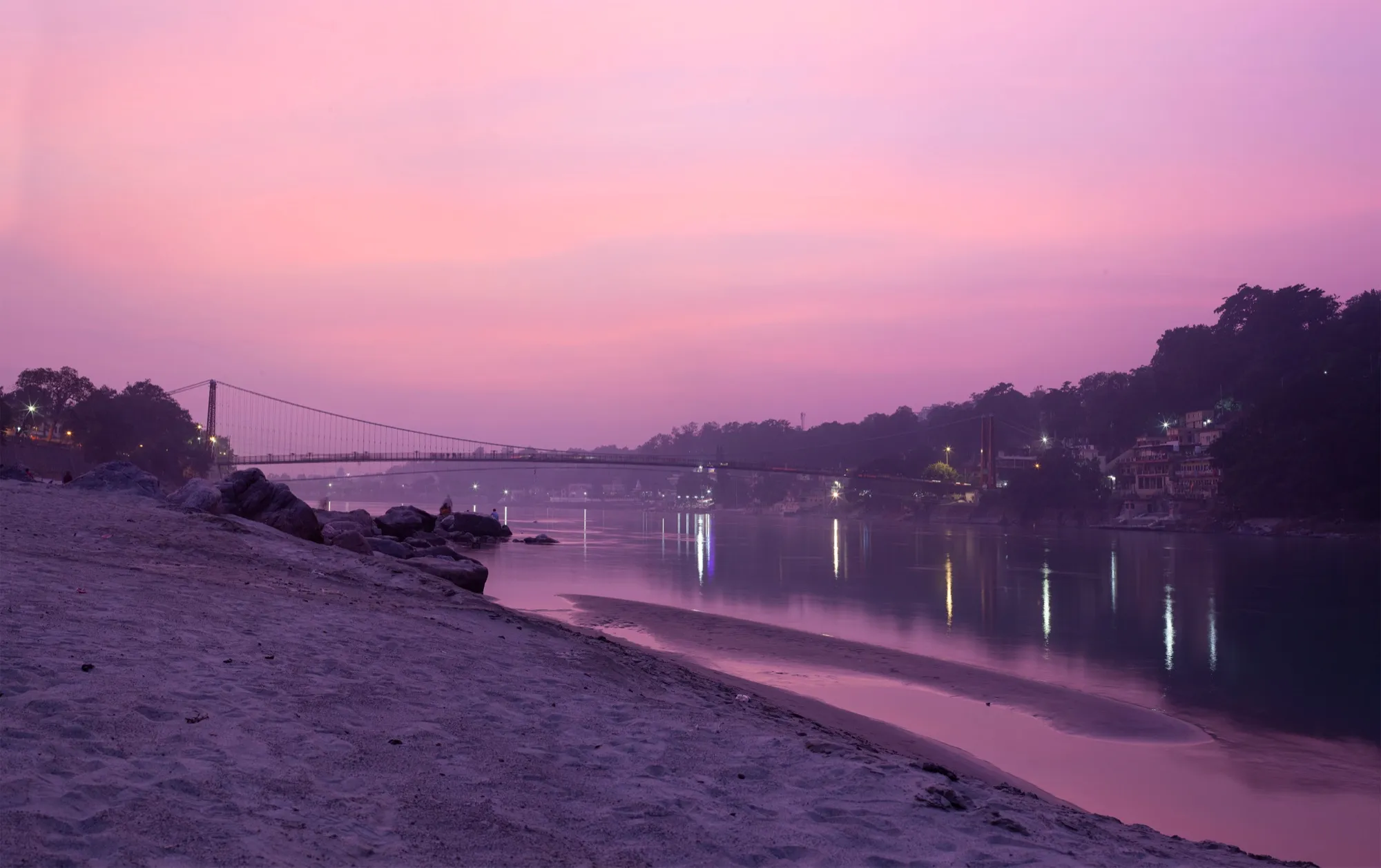 Evening on the Ganga at Rishikesh.
Start with the raft, since it is the one part that depends on the water. The 16 km run from Shivpuri to Neem Beach is ₹1,000 on the 2026 to 2027 rate list and takes about 3 hours, so allow half a day with transfers. The 12 km run from Phool Chatti is ₹600, the 26 km run from Marine Drive ₹1,500 and the 35 km run from Kaudiyala ₹2,500. Rafters must be 14 or older and at least 35 kg, and alcohol is prohibited.
After lunch, walk to Bajrang Setu and Trayambakeshwar, the 13-floor temple near Laxman Jhula (free, 6 am to 7 pm, with a possible closure from 12 to 2 pm). Then take a shared auto to Triveni Ghat for the aarti. Bharat Mandir, next to the ghat, is open 5 am to 12 pm and 4 to 9 pm, and you can fit it in before the ceremony.
Pace check: drop Trayambakeshwar first. And stay out of the river at the open sand beaches whatever the water looks like, because five or more people drowned at restricted beaches between May and September 2026. If rafting is shut, spend the morning at Jumpin Heights instead (see Day 5).
Day 2: Neer Garh, the Beatles Ashram and the Parmarth aarti
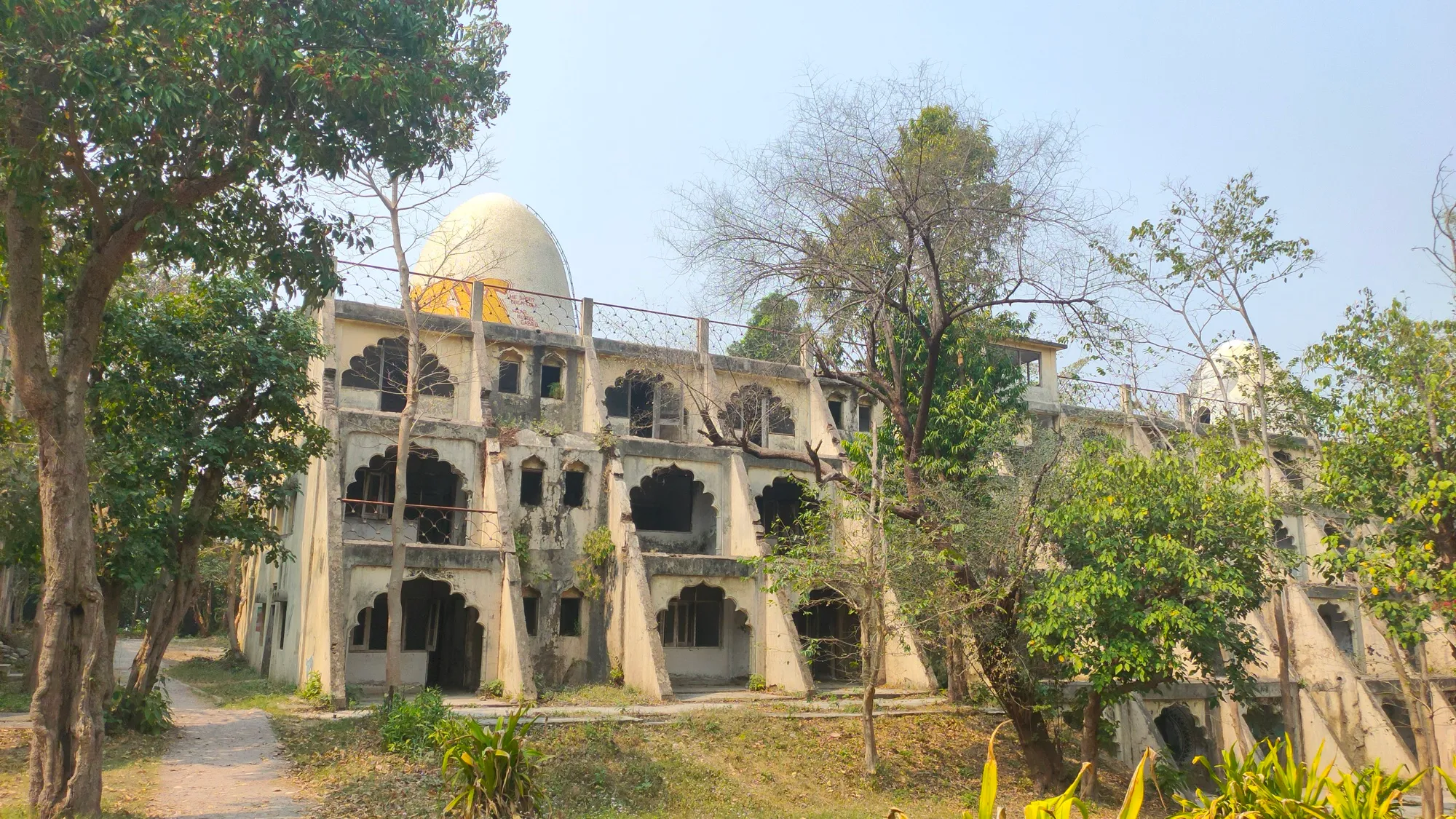 One of the old buildings at the Beatles Ashram. Photo: Athulvis, CC BY-SA 4.0, via Wikimedia Commons.
Start at Neer Garh waterfall, a few kilometres north of Laxman Jhula on the Badrinath road. The gate opens at 7 or 8 am and closes at 5 pm. An auto from Tapovan is ₹200 to ₹300 return with a wait. The entry fee is ₹30 to ₹50 for Indians and ₹50 to ₹100 for foreigners. It is 1.2 km from the gate to the main falls and 90 minutes to 3 hours round trip, with a stone-paved path. Go by 9:30, because the place fills from 11 am to 4 pm.
Cross by Bajrang Setu to the Swarg Ashram side. The Beatles Ashram (Chaurasi Kutia) is run by Rajaji Tiger Reserve. It costs ₹200 for Indians and ₹1,200 for foreigners, is open about 10 am to 4:30 pm (the official rule is sunrise to sunset, so check at the gate) and needs 2 to 3 hours. Alcohol and non-vegetarian food are prohibited inside. Then walk to Parmarth Niketan for the aarti, which is free and starts about 5 pm in winter and 6 pm in summer.
Pace check: Neer Garh goes first if you are short on time. In April to June flip the order, with the Beatles Ashram at 10 am and the aarti at 6 pm, so you are not on foot at midday.
Delhi to Rishikesh weekend trip: how to fit the two days
Leave Delhi on a Saturday morning bus (5 to 6 hours) or the 6:45 am Shatabdi to Haridwar plus a 23 to 25 km hop. How to reach Rishikesh has the fares. Spend Saturday evening on Bajrang Setu and the Triveni aarti, raft on Sunday morning, and leave by about 3 pm. The Swarg Ashram side waits for a longer stay.
Rishikesh 3 day itinerary: add the Neelkanth road
Day 3: Neelkanth Mahadev and a waterfall, 32 km each way
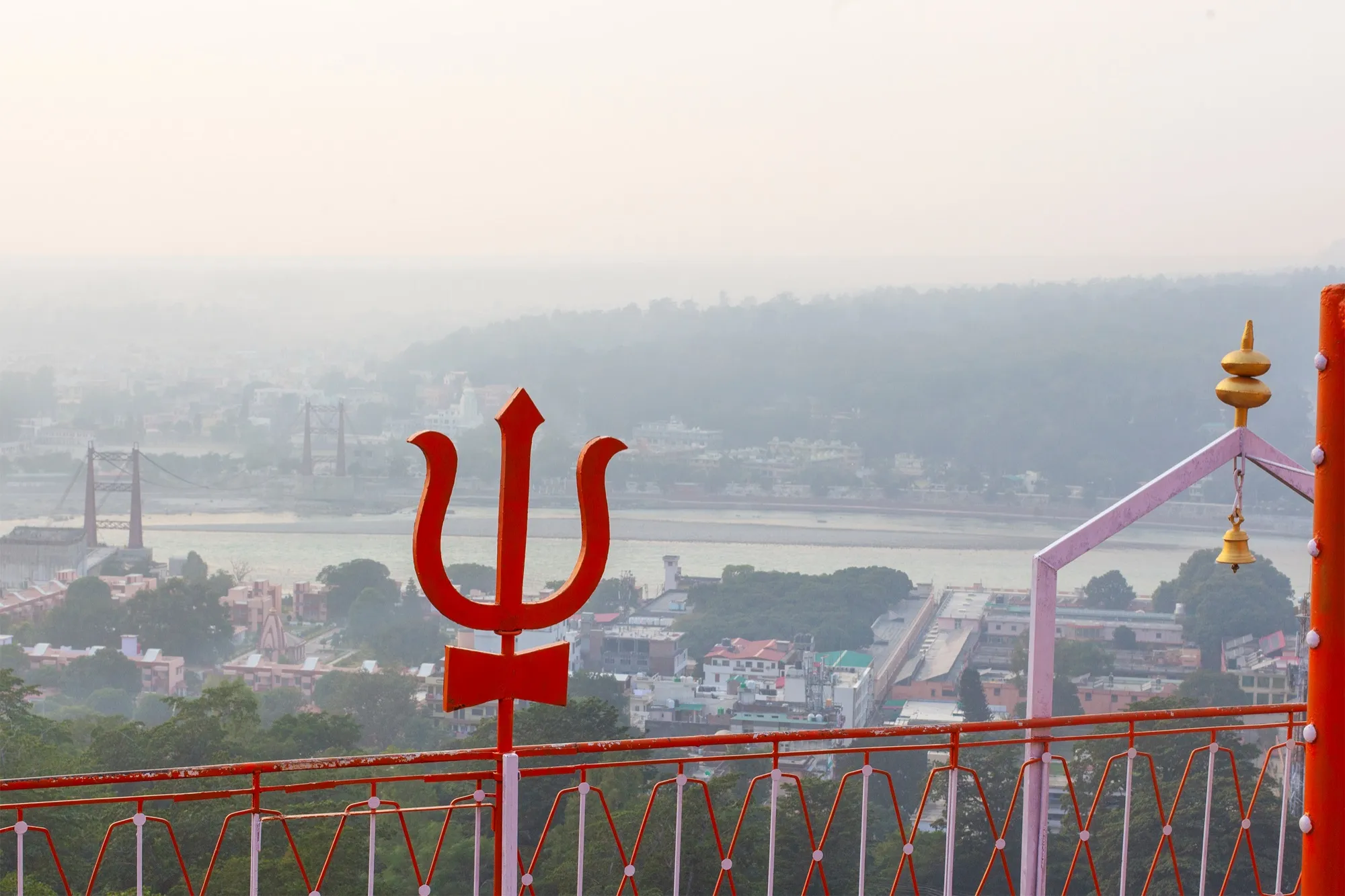 The view from the Bhootnath temple.
This is the long road day, so leave by 7 am. Neelkanth Mahadev is 32 km out and takes 1 to 1.5 hours each way. The temple is free and open about 5 or 6 am to 6 pm, may close for a few hours at midday, and enforces a dress code. A shared jeep is ₹80 to ₹250 a seat and a round-trip taxi about ₹2,200 to ₹2,800. Add Garud Chatti, a walk of about 1.5 km from the road, or Patna waterfall, a 1.5 km trail and about 2 to 2.5 hours in all. Carry small notes for a forest gate.
The road runs through Rajaji Tiger Reserve, and a pilgrim was killed by an elephant on the way back from Neelkanth in June 2018. Be back by dark and keep the forest walk, which starts at Swarg Ashram, for the treks guide. The queue is 10 to 12 hours during Shravan, so we’d skip Sawan Mondays, Maha Shivratri on 6 March 2027 and the Kanwar weeks.
Pace check: if you would rather stay local, swap in Day 4 below and keep Neelkanth for a weekend.
Rishikesh 5 day itinerary: Kunjapuri, then bungee or Haridwar
Day 4: Kunjapuri sunrise and a yoga class, 25 to 30 km out
Leave about 4:30 am so you are at the temple for sunrise. Kunjapuri is 25 to 30 km away, 45 to 60 minutes by taxi, at 1,676 m, with 80 to 150 steps up from the road. The temple is open 6 am to 6 pm and the view is of the Garhwal peaks. Agree the fare and book the taxi the evening before. A guided group trip is ₹1,620 to ₹2,400 a head. The 7 to 13 km walk down to Tapovan takes 2 to 4 hours depending on the route, and we’d do it only if you are fit. Avoid July and August, when the road is poor. Spend the afternoon on a yoga drop-in class (₹200 to ₹500) and nothing else.
Day 5: Jumpin Heights or Haridwar, one half day
Pick one. Jumpin Heights at Mohan Chatti is 45 minutes by road from the Tapovan office, with free transfers at 9:00, 11:00, 13:00 and 14:30. Bungee is ₹4,500, the flying fox ₹2,500 tandem or ₹4,000 solo, and any two activities ₹7,000. Jumpers must be 12 to 55 and weigh 40 to 110 kg. It is reported closed on Tuesdays. At a different Shivpuri operator a bungee cord snapped on 12 November 2025, and the district ordered an inquiry.
The other choice is Haridwar, 23 to 25 km and 30 to 60 minutes away, for the Har ki Pauri aarti at sunset. A bus is ₹30 to ₹50 and runs until about 10 pm, and a sedan is ₹400 to ₹1,200. Skip it in the Kanwar weeks.
Rishikesh by season: rafting, heat, Kanwar Yatra and monsoon
- Rafting: it closed on 30 June 2026 and reopened on 23 September. In 2025 it closed on 24 June and reopened on 27 September. It can pause on a red alert, as it did on 26 September 2026. Plan rafting for October to May.
- April to June: the average May high at nearby Dehradun is about 35 °C, and Rishikesh sits lower. Do the ghats, the aarti and the Beatles Ashram early or late.
- November to February: the aarti moves to about 5 pm and mornings by the river are cold. Kartik Purnima on 24 November 2026 will be crowded at the ghats.
- Kanwar Yatra: 30 July to 11 August in 2026, with Sawan Shivratri falling on 31 July in 2027. Leave Neelkanth and Haridwar out. Best time to visit Rishikesh has the months.
- Monsoon: waterfall trails are slippery and the Ganga rose past the warning level on 6 August 2026. A landslide on the Neelkanth road on 13 August 2025 left two people missing.
- March 2027: the International Yoga Festival runs 9 to 15 March at Parmarth Niketan.
Rishikesh itinerary for a month: working weeks and four weekends
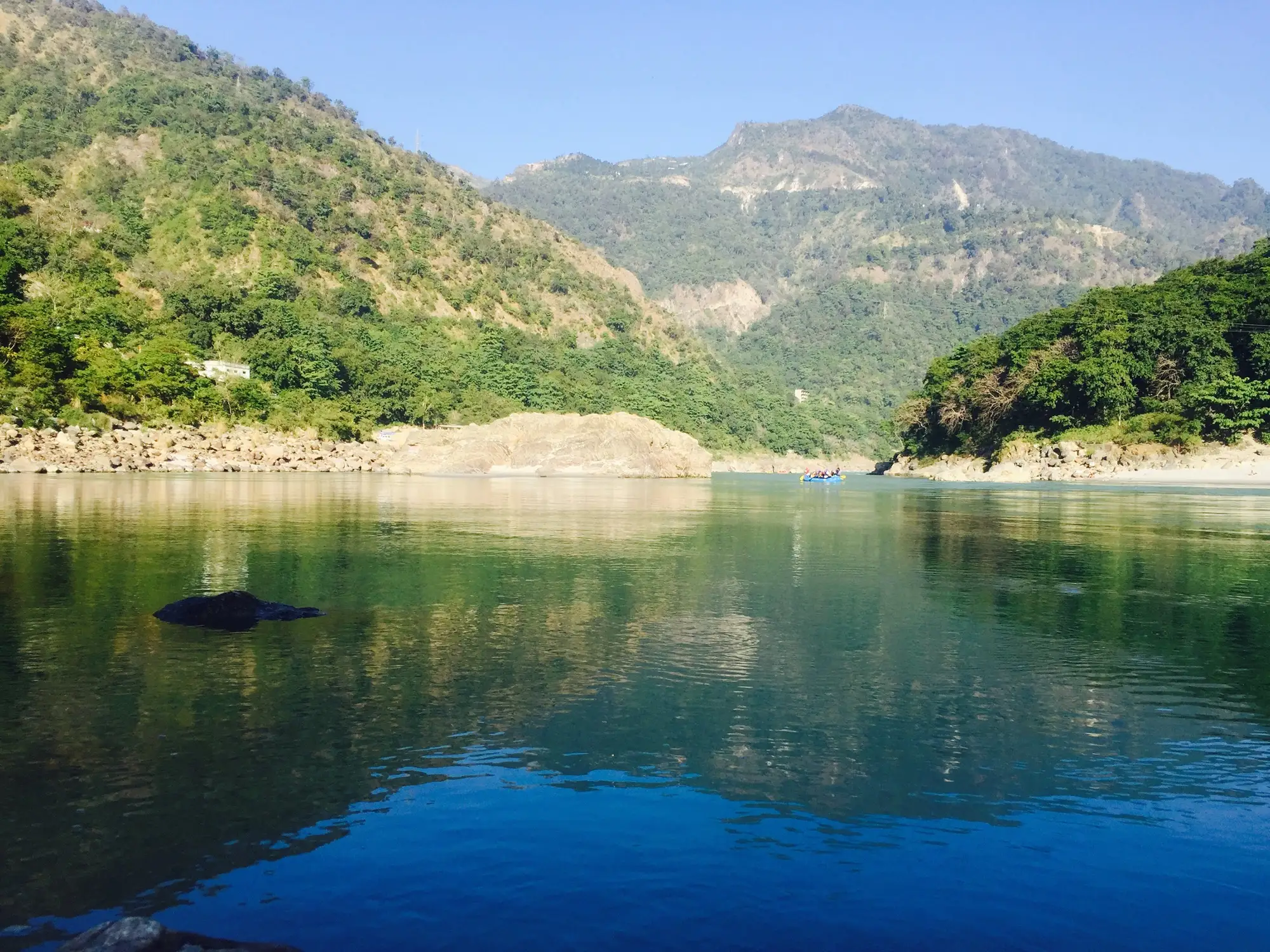 The Ganga at Rishikesh.
A working week in Rishikesh: what fits before 9 am and after 6 pm
Before 9 am: the morning aarti at Triveni (5:45 to 6:30), Parmarth’s programme of meditation at 5:30 and yoga from 6:30, Neer Garh from 7 am, and the Bajrang Setu footpath, open from 6 am. After 6 pm: Bharat Mandir until 9 pm, Gita Bhawan until 9 pm and a 6 pm meditation aarti at Vanamali Ashram. From October to March the evening aarti is at 5 or 5:30 pm, earlier than a working day ends, so it works after work only in summer. Keep the Beatles Ashram (closes 4:30) and Neelkanth for weekends.
Four weekend trips from Rishikesh, from easiest to longest
- Kunjapuri and Neer Garh. Sunrise at Kunjapuri on Saturday (Day 4), Neer Garh on Sunday between 7 and 9:30 am, before the crowds.
- Neelkanth. Day 3 above, 32 km each way, any weekend outside Sawan and Shivratri.
- Devprayag. 70 to 74 km up the Badrinath highway to where two rivers meet, at 830 m. Buses leave from the bus stand, and it is a full day. Skip it in the monsoon.
- Haridwar or Mussoorie. Haridwar is a half day (Day 5 above). Mussoorie is about 75 km via Dehradun and takes 2 to 2.3 hours each way, so make it a night away. Haridwar is the easiest ride of the four and sits last only because it isn’t the mountains.
Which single day to keep in Rishikesh if you are short of time
From October to May keep Day 1, because the raft is the one thing you can’t do elsewhere and the Triveni aarti ends it. Between 30 June and late September keep Day 2 without Neer Garh, with the Beatles Ashram and the Parmarth aarti. The full write-up of every stop is in things to do in Rishikesh.
Frequently asked questions about planning a trip to Rishikesh
How many days do you need in Rishikesh?
Two days covers the river, the ghats, the Beatles Ashram and both main aartis. Three adds the Neelkanth road, and five adds Kunjapuri at sunrise plus bungee or Haridwar. If you work, a month lets you spread the same stops over four weekends.
Can I raft and see the Beatles Ashram on the same day?
We'd not. The 16 km run takes about 3 hours plus transfers, and the Beatles Ashram needs 2 to 3 hours and closes about 4:30 pm. Put them on separate days, as this plan does.
What is banned in Rishikesh?
Meat, fish and eggs are banned inside the municipal limits of Rishikesh and Muni ki Reti, and liquor is banned across the Rishikesh municipal corporation area. The Beatles Ashram also bars alcohol and non-vegetarian food, and alcohol is prohibited during rafting.
Do I have to book the Ganga aarti?
No. Both the Triveni Ghat and Parmarth Niketan aartis are free to attend. Arrive 30 to 60 minutes early for a place on the steps.
How old do you have to be to go rafting in Rishikesh?
The minimum age is 14 and the minimum weight 35 kg. Helmets and certified life jackets are compulsory, and guides must be registered.
What can I do in Rishikesh in the monsoon?
Rafting is shut from 30 June, but bungee and the flying fox at Jumpin Heights continue. Waterfall trails turn slippery and the river rises quickly, so keep Day 2 for ghats, ashrams and cafes and skip Neer Garh.
More Rishikesh guides
 How to reachHow to reach Rishikesh from Delhi by bus, train, car or flightA daytime bus from Delhi takes 5 to 6 hours. Or take the Shatabdi to Haridwar, or fly to Dehradun.
 Where to stayWhere to stay in Rishikesh: the best areasTapovan for a working month, Upper Tapovan for quiet. Which bank, which bridges, rents and seasons.
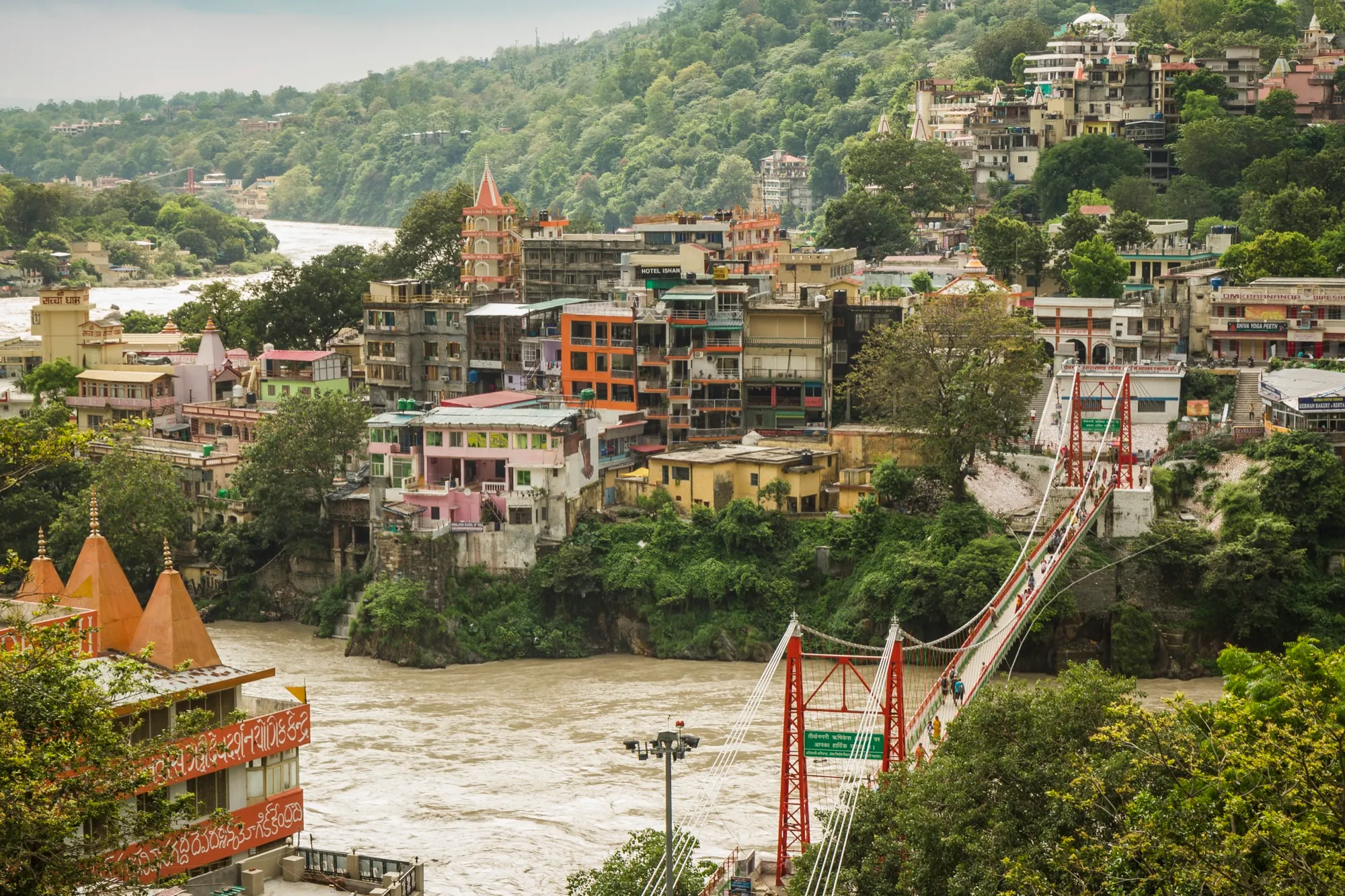 Things to doThings to do in Rishikesh: aarti, rafting and the shut bridgesAarti, rafting from ₹600, the Beatles Ashram and hill temples, with the shut bridges and the months to skip.
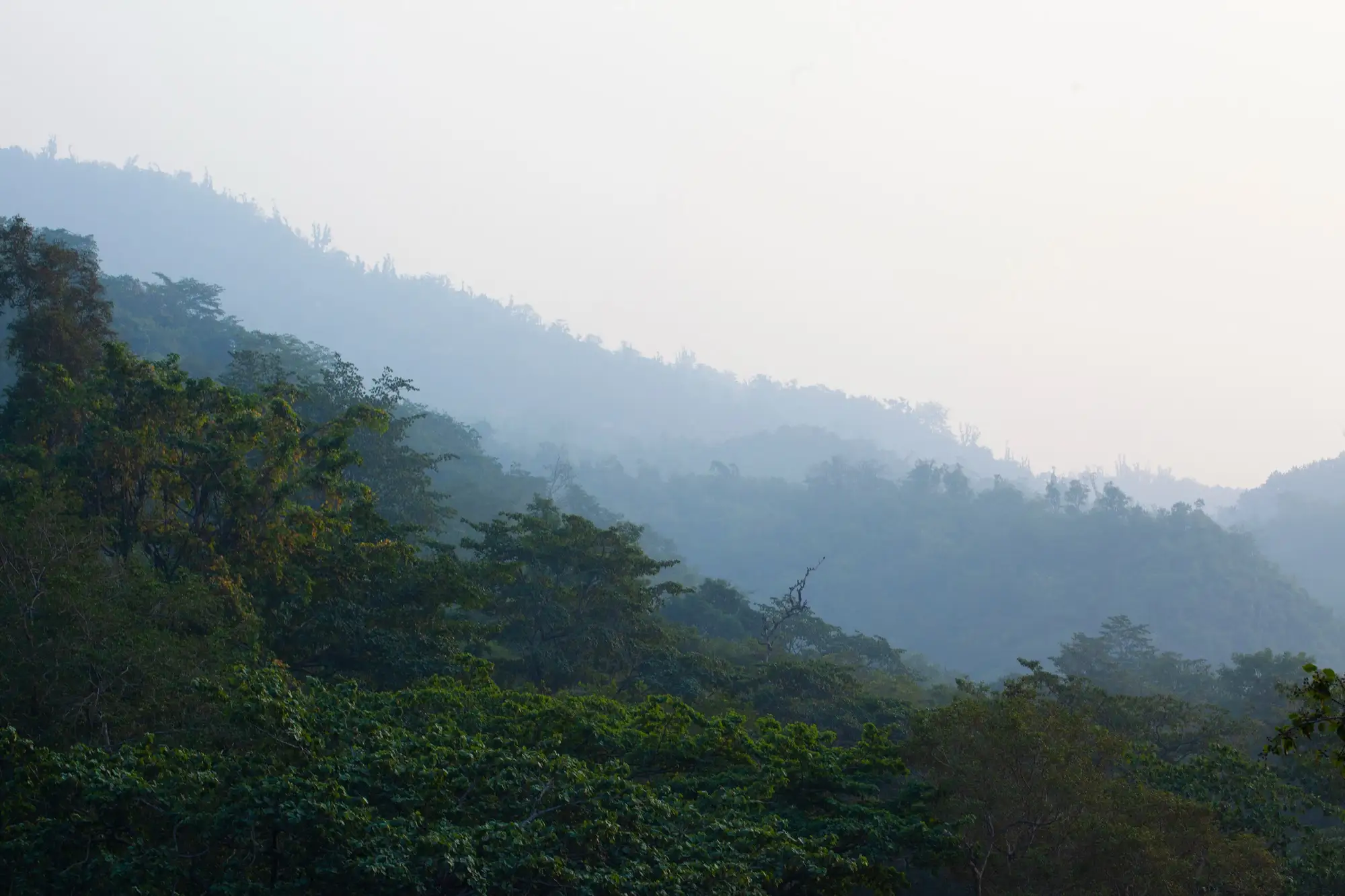 TreksTreks near Rishikesh: waterfall walks, Neelkanth and bigger startsShort waterfall walks, Kunjapuri at sunrise, the Neelkanth walk, and Chopta or Kedarkantha as bigger starts.
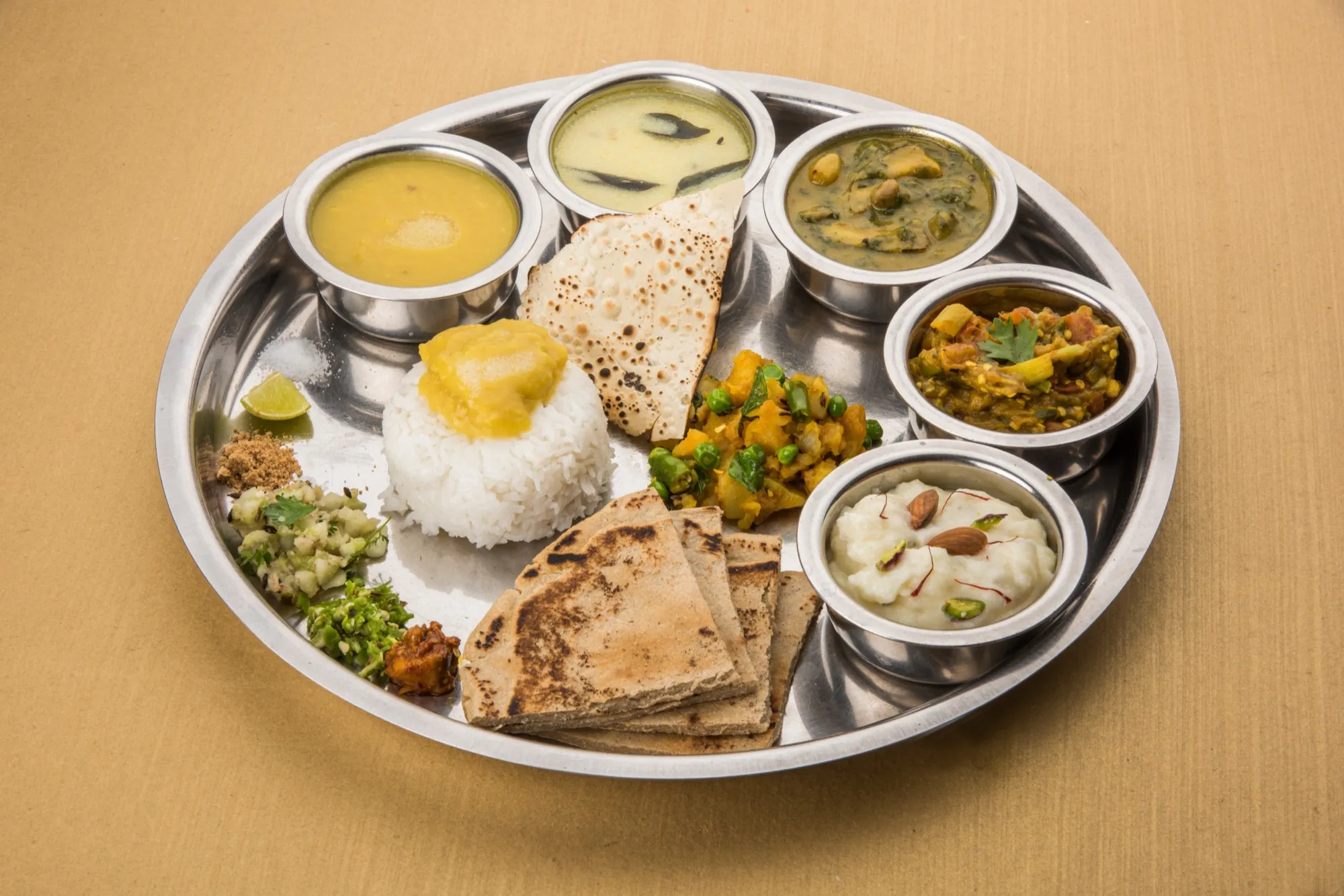 Food and cafesCafes in Rishikesh: food, prices and where to workCafes in Rishikesh by area, with what to eat, prices for two, opening times and laptop tips.
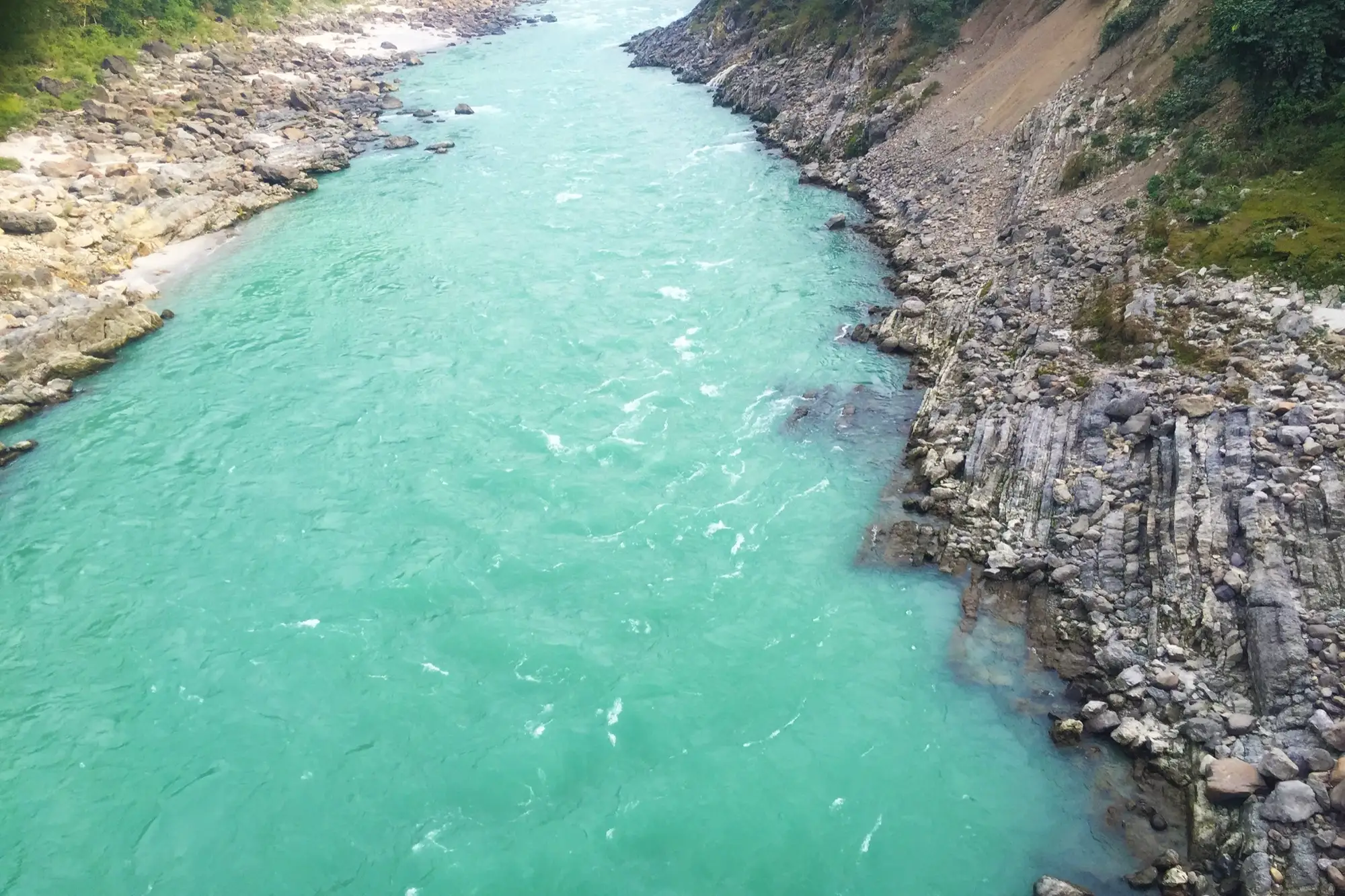 Best time to visitBest time to visit Rishikesh for work, rafting, yoga and low pricesMid-October to late November for a working month. Rafting restarts in the last week of September.
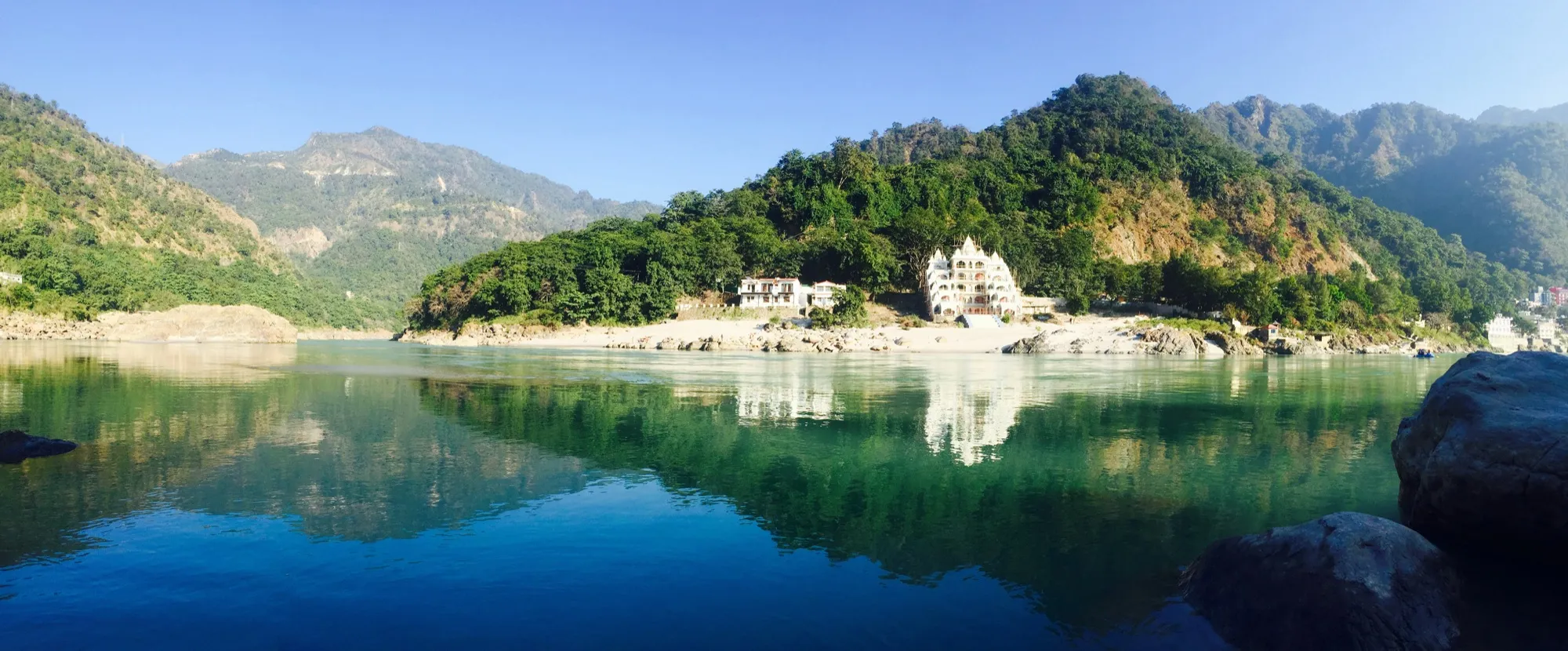 Cost of livingCost of living in Rishikesh: a week and a monthAbout ₹46,300 to ₹70,000 a month for a comfortable life. Frugal starts near ₹19,300.
Planning a week or a month in Rishikesh?
Tell us when you want to come and for how long. We'll reply with homes and rooms that fit.